Choosing how to learn first aid and CPR is not a theoretical question. It chooses what you really do when a colleague falls down in the lunchroom or a child begins choking at a birthday celebration celebration. For lots of people, the genuine issue is not whether to find out first aid, yet how: a fast first aid course on website, an express first aid course blended with on-line understanding, or an online only program you can finish on your laptop computer in an evening.
I have actually educated thousands of people in first aid and CPR in workplaces, child care centres, fitness centers and area teams. I have actually likewise reviewed more online just courses than I care to confess. The distinction in performance during actual situations is noticeable within mins. The right layout for you depends on your objectives, your legal responsibilities, and how truthful you want to be about your self-confidence in an emergency.
This article goes through those trade offs thoroughly, specifically for individuals looking for fast first aid courses, express cpr choices, or a fast first aid course near me that still satisfies workplace or childcare requirements.
What "fast" truly means in first aid training
When people look for fast first aid, fast cpr, or fast certification, they typically suggest one of 3 things:
Short complete course time, preferably within a solitary day. Minimal time away from job or family. The quickest course to a legitimate first aid certificate.Those are all affordable needs. The majority of adults do not have the deluxe of multi day first aid and cpr training classes. The market has responded with fast first aid training layouts: express first aid courses that compress the in person element, fast cpr refresher course options, and mixed models where you do theory online and a practical session in person.
The vital distinction is not fast versus slow. It is fast with appropriate hands on practice, versus fast with video only. Both can call themselves a first aid course. Just one truly prepares you to react when an individual is grey, not breathing appropriately, and your own adrenaline is spiking.
When I talk about fast first aid courses that still work, I mean training that shortens the classroom time without stripping out the tactile abilities: breast compressions, rollovers into the recuperation placement, inhaler assist, EpiPen technique, and fundamental wound administration. That is extremely different from a totally online only first aid course where the only thing you push is the "Following" button.
What online just first aid and CPR courses actually teach
Online just first aid training and cpr courses differ a whole lot in top quality, however they share typical traits.
They show acknowledgment and concept well. You can find out signs and symptoms of a stroke, how to recognize a bronchial asthma flare, or the steps of cardiopulmonary resuscitation: check for danger, check reaction, open the respiratory tract, check breathing, begin compressions.
Where they have a hard time is translation right into performance under pressure.
If all you desire is an introduction to first aid and cpr, or a refresher on the sequence of actions after you have currently been trained, an on-line program can be useful. It is especially handy for:
- Revising standards after changes, such as compression price or basic life assistance sequences. Learning history info for fap first aid in work environments where a face to face refresher is currently scheduled. Giving member of the family a shared language before you participate in a functional course together.
However, when organisations count just on online first aid and cpr course material to license team, you see the spaces instantly. In a drill, people remember that they ought to "turn the head back" yet be reluctant to touch the person. They recognize they need to "push set" on the upper body, but their compressions are either so shallow they barely move the breast bone or two wild that their arms fatigue in thirty seconds.
You can not really feel appropriate compression deepness via a display. You can not experience the resistance of a child sized manikin unless you really kneel beside it, change your hand setting, and get training in real time.
Online only first aid courses also can not examine your capability to manage a scene with bystanders, phones sounding, and environmental dangers. They can offer a tidy situation with numerous choice responses. Reality hardly ever looks like that.
Fast, express, and mixed: where they excel
Fast first aid courses and express first aid training have a poor track record in some circles, as if "fast" automatically implies "dodgy". That is not constantly fair.
Well developed express first aid courses use a mixed format: online concept completed prior to the course date, combined with a lean, very focused face to face session. Rather than costs classroom time checking out slides about shock or burns, the team shows up keeping that background already covered. The instructor can after that designate the majority of the in person time to scenarios, practice, debrief, and assessment.
The ideal fast first aid training programs that I have actually delivered or audited share a few features:
They set clear pre course work assumptions. Participants know they should complete an online component or workbook in advance, usually taking 2 to 4 hours. It covers interpretations, legal duties, infection control, and standard anatomy.
The in person session is portable but extreme. For a standard first aid and cpr course, this may be a four to five hour block, often shorter for a fast cpr refresher course. You move in between manikins, companion job, bandaging, role play, and Q&A. There is extremely little sitting still.
The ratio of instructor to individuals stays reasonable. When you obtain past regarding 12 individuals per instructor, the high quality of comments on CPR method, secure lifting, and respiratory tract administration goes down promptly, specifically in an express first aid course.
Assessment focuses on abilities, not simply recall. You are observed reacting to circumstances: a subconscious breathing casualty, a non breathing casualty calling for CPR, a blood loss wound, an anaphylaxis situation with a vehicle injector.
This model works especially well for people who already have some exposure to first aid. For example, a health and fitness teacher doing an express cpr course annually, or a child care teacher renewing express child care first aid, gets where they ended and develops their technique.
The risk shows up when companies reduced edges: no pre work, marginal guidance, 5 people on one manikin, and a teacher who hurries through each subject due to the fact that they must end up the express first aid training in 2 hours. That is not fast training. That is box ticking.
Why hands on still matters, even with best theory
I have actually had participants recite the whole DRSABCD or chain of survival series from memory, then freeze the moment I inquire to demonstrate it on a manikin. The gap in between recognizing and doing is where hands on first aid courses earn their keep.
There specify moments that nearly nobody solves the very first time without comments:
Opening the airway in an unconscious adult without over prolonging the neck.
Finding the appropriate hand position for compressions on an infant.

Compressing to the right deepness and price on an adult manikin without "bouncing" or leaning on the chest.
Rolling a larger casualty right into the recuperation position as a smaller rescuer without turning the spine.
Coordinating breaths with compressions in a first aid and cpr course, specifically when you are anxious or short of breath yourself.
These are skills you really feel as high as you see. An instructor can place their hands gently over your own, change the pressure, and claim, "Feeling that resistance? That is about right." No online only cpr training can reproduce that physical guidance.
Another overlooked variable is emotional readiness. During live first aid training, even in a fast first aid course, you practise speaking out loud:
"I am checking for threat."
"You, call an ambulance."
"I am beginning compressions now."
The first time a person hears their own voice give firm directions in a simulated emergency situation, you see their shoulders align. They quit seeking consent and start acting. That shift is practically difficult to accomplish through a solo online module.
Compliance, sector requirements, and what "matters"
For people, the question is often "What will in fact make me experienced?" For organisations, it promptly comes to be "What does the law or our regulatory authority call for from first aid and cpr training classes?"
Requirements vary by territory and market, but a couple of patterns are consistent.
Many office safety regulators anticipate first aid training to include a functional element. A purely online only first aid course might not satisfy your work environment's responsibilities, even if it issues a first aid certificate. Insurance companies and auditors significantly inspect not just whether certificates exist, but whether the training met acknowledged standards.
In child care and very early youth education and learning, the bar is higher once again. Express express childcare first aid Adelaide child care first aid courses are typically approved only when they are delivered by accredited providers and consist of hands on presentation of skills: infant and child CPR, monitoring of bronchial asthma and anaphylaxis, and emergency situation feedbacks for typical childhood injuries. Express child care first aid training that is on the internet just hardly ever satisfies these standards.
If your role entails marine guidance, sporting activities mentoring, or safety and security, you might find that a fast cpr course serves for refresher training, but just if your initial credentials was acquired in person. Reading the fine print issues. A fast first aid course near me that advertises "completely online and immediate" might satisfy no regulatory authority in any way, even if it does provide a pdf certificate.
When doubtful, examine 3 things: your neighborhood office health and wellness authority, your sector regulator or association, and your organisation's insurance policy carrier. They usually specify whether blended and express first aid courses are acceptable, and whether online just training can ever stand alone.
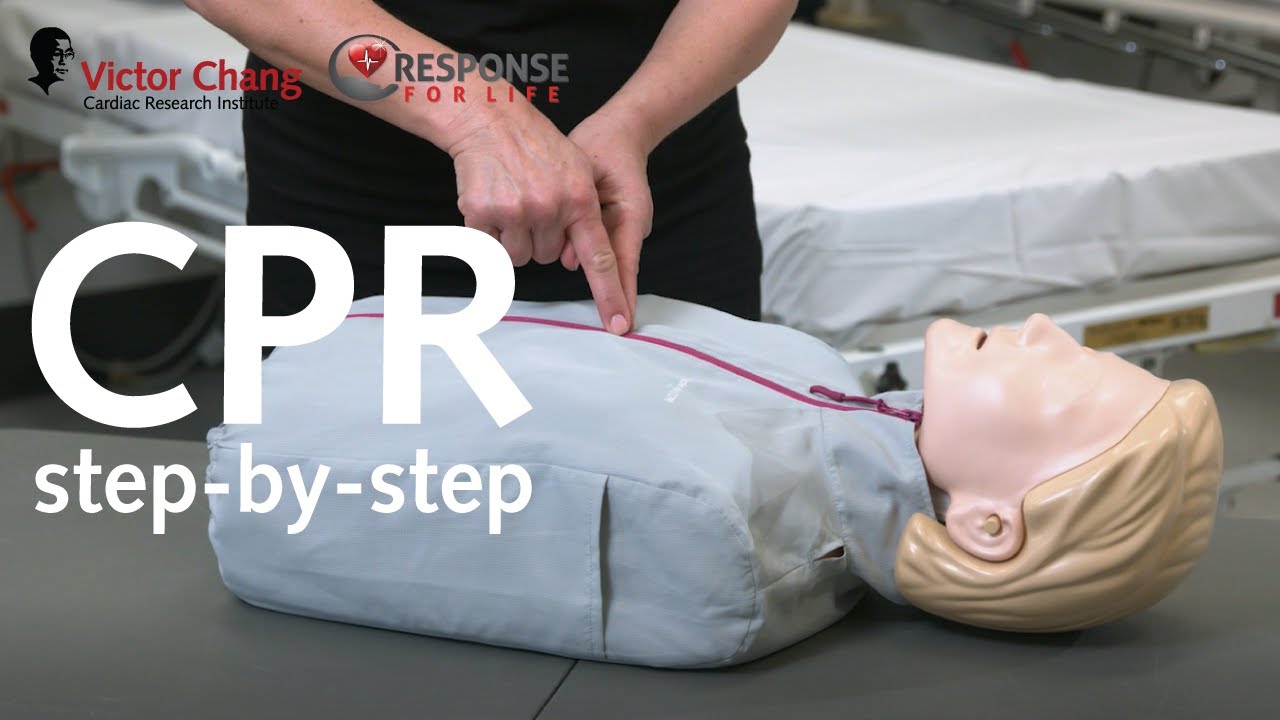
Where online only shines
Purely online first aid and cpr courses are not worthless. They are just badly fit as the single method of training if you actually anticipate a person to execute CPR or manage significant incidents.
There are situations where on the internet first aid training adds actual worth:
Pre knowing before a fast first aid training session. Individuals show up with common vocabulary and basic understanding, prepared to make use of the personally time for practice as opposed to lectures.
Short cpr training refresher courses in between official recertification. Viewing a top quality compressions demonstration every few months assists keep muscle mass memory, especially when combined with a basic home technique manikin.
Awareness raising in large, distributed organisations. If you have hundreds of team throughout multiple sites, an online just first aid course can raise standard knowledge prior to you recognize and educate assigned very first aiders a lot more deeply.
Non -responder duties that simply need to recognise red flags. For example, office staff who are not marked first aiders can still discover to acknowledge stroke indicators or cardiac arrest signs and symptoms and summon help promptly.
People that are housebound or in really remote areas, where going to face to face first aid courses is not useful in the brief term.
In those contexts, an online program features as a bridge, not the destination. It must never be misinterpreted for full competence in life conserving skills.
Comparing fast face to face, blended, and online only
When you strip away marketing language, a lot of first aid and cpr courses fall into one of three models.
Traditional personally courses run all theory and method in a classroom. They are detailed, acquainted, and easier for some learners that struggle online. The downside is time: a complete first aid and cpr course can take 6 to 8 hours, occasionally topped two sessions. For small companies or shift based offices, that can be difficult to schedule.
Blended and express first aid courses front lots theory online and compress the on website training to a half day or much less. Done well, they maintain the crucial functional job while decreasing interruption. A fast cpr refresher course using this format can be completed in a couple of hours of on the internet work plus 60 to 90 minutes deal with to face.
Online only courses do everything with a screen. They are flexible, low-cost, and convenient. That makes them appealing to people seeking a fast first aid certificate without leaving home. It likewise makes them risky when organisations mistake benefit for capability.

From years of viewing individuals do, my sight is simple: for first time students, a fast first aid course ought to never ever be on-line just. At minimum, a short, well structured face to face or live virtual practical session is important. For experienced responders that are refreshing skills every year and practising regularly, on-line cpr training can support, yet not change, hands on work.
Special case: childcare and paediatric very first aid
Parents and childcare instructors commonly ask if express childcare first aid is "sufficient". Here the sort of case changes, and so does the psychological load.
Most severe paediatric emergencies entail choking, taking a breath troubles, allergic reactions, seizures, or head injuries. The techniques are more delicate than grown-up first aid. Upper body compressions on an infant, as an example, make use of two fingers or more thumbs, with significantly less depth. The margin for mistake is smaller.
During express child care first aid courses, I pay particular attention to:
Hand positioning and deepness for baby and kid CPR.
Clearing a blocked air passage in a mindful kid without striking also hard.
Safe use of EpiPens and asthma inhalers in scared or having a hard time children.
Managing multiple children while one is unwell, especially in solo educator scenarios.
Communicating with parents and emergency situation solutions plainly and calmly.
You can clarify these principles in an on-line module, yet you can not simulate the feeling of putting 2 fingers on a manikin's tiny breast bone and seeing the breast compress the correct amount. Neither can you practice de escalating stressed parents via a test screen.
For that reason, I think about childcare a non flexible location for combined or in person express child care first aid training. Online only must be reserved for interim refreshers or supporting discovering, not as the sole training method.
How to choose the right course format for you or your team
There is no solitary finest style for each person or organisation. The better question is: what combination of speed, ease, and depth offers you real world capability, not simply a certificate?
Here a brief list helps puncture advertising and marketing language and focus your decision.
Quick list for evaluating fast first aid and CPR options
- Check if the course includes an online functional element, either one-on-one or real time virtual, with assessment of your skills. Confirm that the provider and specific first aid course or cpr course meet the needs of your office regulator or industry body. Ask about instructor to trainee ratio, variety of manikins, and how much time is allocated to hands on CPR, healing setting, and scenario practice. Look for combined or express first aid courses that require significant pre job, not just a 10 min test, so the personally time can focus on practice. Be skeptical of any type of fast first aid course that assures full certification in under an hour without real-time trainer interaction at all.
If a service provider can not answer these concerns plainly, or becomes unclear when you request for information, deal with that as a warning sign. A first aid certificate is just as beneficial as the skills behind it.
Making sense of "fast" without reducing corners
Speed is not the enemy. Wasted time is.
I have actually endured long, standard first aid courses where individuals invested hours duplicating terms from the board and just touched a manikin as soon as. I have actually likewise run express first aid training sessions in under 5 hours where every individual finished several rounds of CPR, managed at least three different circumstances, and left literally exhausted but confident.
The distinction lies in design and intent.
When you examine options for fast first aid or fast cpr, focus on what you will in fact do throughout the course. Checking out, watching, or paying attention are not enough for performance abilities. You need repetition, adjustment, and a bit of anxiety. You require to practise till your hands recognize what to do faster than your concern can interrupt.
Used well, on-line discovering can clear away concept so that your fast first aid training session comes to be a high value practice lab. Misused, online just first aid courses create an incorrect complacency that nobody finds up until an actual emergency situation. By then, it is far too late to click "Replay".
If you are picking on your own, aim for a minimum of one considerable hands on first aid and cpr course, after that use online and express cpr courses to remain sharp. If you are accountable for a team, layout a rotation: preliminary full first aid training face to face, then fast cpr refresher course sessions each year, supported by online alteration modules.
That mix respects your time, satisfies most regulatory frameworks, and, most importantly, leaves you with people that do not just hold certifications, however understand what to do when someone's life relies on it.
Final thoughts: matching technique to responsibility
Not every person requires the very same deepness of training. A home based consultant could reasonably pick an online just first aid course to acquire standard awareness till they can sign up with a face to face program. A hectic moms and dad could start with https://jsbin.com/xubugiyabo a short express cpr course before dedicating to a full day first aid and cpr course. That is great, as long as you stay honest about what those courses prepare you to do.
On the various other hand, if you are the assigned very first aider in a stockroom, the manager of a childcare centre, or the head trainer of a junior sports club, fast first aid courses can not be online only video clips. Your role carries a task of treatment that demands online method, analysis, and actual feedback.
Certificates look the same on a noticeboard whether they came from a robust express first aid course or a fifteen minute online quiz. Performance throughout a cardiac arrest does not. When you weigh fast first aid training versus online just choices, ask yourself which variation of you you desire in the space when that moment arrives.
Convenience issues, but results matter extra. Pick the format that provides you both whenever you can. And if you have to compromise on speed or convenience, never concession on the one component of first aid you can not pick up from a chair: the feeling of your hands doing the work.